

Hiring a maid is a major decision that affects your household routine, finances, and long-term harmony. In Singapore, employers are required to meet specific legal and practical requirements before bringing a migrant domestic worker into their home.
Understanding the full criteria to hire a maid in Singapore is essential to stay compliant with Ministry of Manpower regulations, avoid delays, and prevent costly mistakes. This guide is designed to walk employers through every key criterion, from employer eligibility to helper requirements and hiring routes.
By knowing what to expect upfront, you can ensure smoother onboarding, clearer expectations, and a more stable working relationship for everyone involved.
Employer Eligibility For Hiring A Maid In Singapore Under MOM Requirements
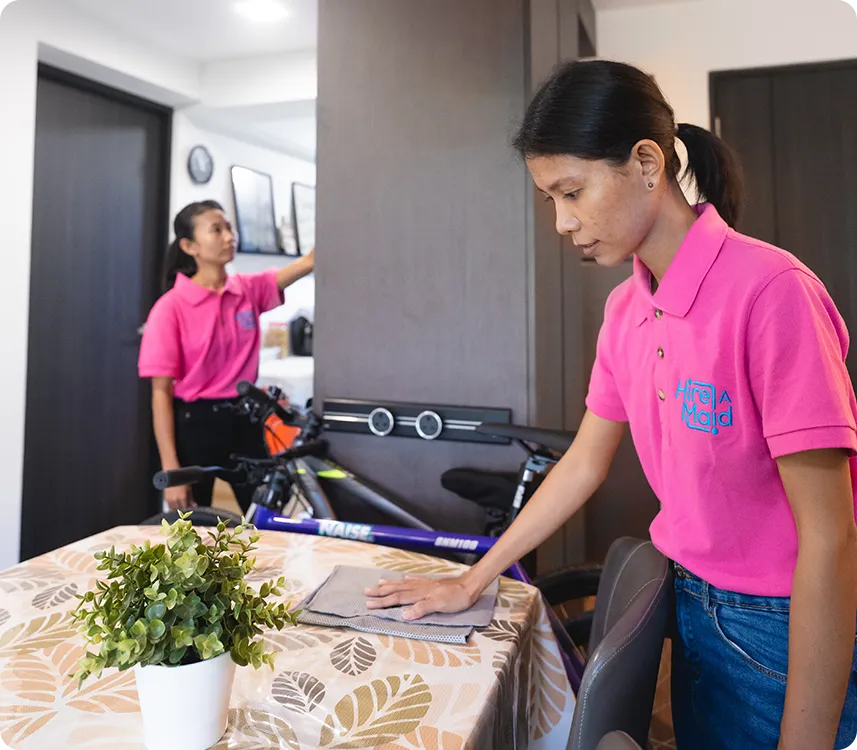
Before starting the hiring process, it is important for employers to understand whether they are legally eligible to hire a maid in Singapore.
The Ministry of Manpower sets clear requirements to ensure employers are able to manage employment responsibilities responsibly and provide proper care for a migrant domestic worker. These criteria help protect both the household and the helper, while supporting a stable and lawful working arrangement.
Minimum Age Requirement
To hire a maid in Singapore, an employer must be at least 21 years old. This minimum age requirement exists to ensure that employers are mature enough to understand and fulfil the legal, financial, and personal responsibilities that come with employing a domestic helper.
Hiring a maid is not a casual arrangement; it involves managing work permits, wages, rest days, insurance, and day-to-day supervision.
By setting a minimum age, the Ministry of Manpower helps ensure that employers are capable of making informed decisions and providing a stable working environment, especially in households with elderly parents, young children, or pets that require consistent care.
Not an Undischarged Bankrupt
Employers must not be undischarged bankruptcies to hire a maid in Singapore. This requirement is closely tied to financial responsibility. A domestic helper depends on her employer for timely salary payments, medical coverage, and basic living needs.
If an employer is facing unresolved financial difficulties, there is a higher risk of missed wages or unmet obligations. MOM uses this criterion to safeguard helpers from unstable employment situations and to ensure that employers can sustain the long-term costs involved.
Being financially accountable protects the employment relationship and reduces the likelihood of disputes or premature termination.
Mental Capacity To Fulfil Employer Responsibilities
Employers are also expected to have the mental capacity to understand and carry out their duties properly. This includes supervising work, ensuring the helper’s well-being, and complying with employment regulations.
MOM may assess whether an employer can reasonably manage these responsibilities, particularly in situations involving serious medical or cognitive conditions.
This requirement is especially relevant in households with elderly care or infant care needs, where clear communication and decision-making are essential. Ensuring mental capacity helps create a safe, respectful, and well-managed environment for both the helper and the household.
Financial Ability To Hire And Maintain A Maid

Financial ability goes beyond simply paying a monthly salary. Employers must be prepared for the full range of ongoing costs that come with hiring a maid. These include the monthly levy, medical and personal accident insurance, suitable accommodation, daily meals, and other household necessities.
There may also be one-off costs such as medical examinations or training requirements. MOM assesses financial ability to ensure employers can support a helper consistently throughout the employment period.
Planning these expenses carefully is particularly important for families relying on help for elderly care, infant care, pet care, or full-time housekeeping, where stability and continuity are crucial.
Completed Employers’ Orientation Programme (EOP)
The Employers’ Orientation Programme is mandatory for first-time employers hiring a maid in Singapore. This programme is designed to ensure employers fully understand their legal and ethical responsibilities before the employment begins.
During the EOP, employers learn about employment laws, salary and rest day requirements, insurance obligations, and proper ways to manage the employer-helper relationship. It also covers common misunderstandings and how to resolve issues fairly.
By completing the EOP, first-time employers are better prepared to provide a respectful, compliant, and supportive working environment, which is especially important in households with elderly parents, infants, or special care needs.
Residence Status & Valid Pass Holders
To hire a maid in Singapore, employers must hold a valid residence or work status recognised by the Ministry of Manpower. Singapore Citizens and Permanent Residents are generally eligible, provided they meet other requirements.
Certain long-term pass holders, such as Employment Pass or S Pass holders, may also be allowed to employ a maid if they can demonstrate genuine caregiving or household needs.
This requirement ensures that employers have a stable and lawful presence in Singapore, which supports continuity of employment and accountability throughout the maid’s work period.
Household Considerations
Household composition plays an important role in determining eligibility. MOM may consider factors such as the presence of young children, elderly family members, individuals with disabilities, or significant caregiving responsibilities.
These considerations help assess whether there is a genuine need for full-time domestic help. For example, families managing infant care alongside work commitments, or households providing daily assistance to ageing parents, may have stronger justifications.
Clearly understanding your household needs helps align expectations and supports a more suitable helper placement.
For households without children/ elderly, application to hire a domestic helper will also be considered by MOM as long as there is genuine need for a helper, e.g., house chores, pet care, etc. Do speak to an employment agent to discuss the eligibility of your household to hire a helper.
Other Employer Responsibilities (Post-Approval)
Once hiring approval is granted, employers have ongoing responsibilities that must be maintained throughout the employment period. These include renewing the maid’s work permit on time, paying the monthly levy, and keeping medical and personal accident insurance valid.
Employers must also ensure proper accommodation, provide adequate food, and observe rest day entitlements. Fair treatment, clear communication, and respect are essential to maintaining a healthy working relationship.
Staying compliant with these obligations helps protect household stability and ensures a positive experience for both employer and helper.
Helper (MDW) Eligibility Criteria

Before a maid can work legally in Singapore, she must meet specific eligibility requirements set by the Ministry of Manpower. Understanding these criteria helps employers assess candidates more confidently and avoid delays during the Work Permit process.
These requirements are designed to ensure helpers are suitable for domestic work and able to meet the demands of households with elderly care, infant care, pet care, or full-time housekeeping needs.
Below are the key eligibility criteria employers should be aware of.
- Age Requirements: A maid must generally be between 23 and 50 years old at the time of application. Work Permit renewals may be allowed up to 60 years old, subject to MOM approval. This age range helps ensure helpers are physically capable of managing daily household and caregiving duties.
- Nationality From Approved Source Countries: The maid must come from a MOM-approved source country, such as the Philippines, Indonesia, or Myanmar. Other common source countries that Singapore employers hire their helpers from include India, Cambodia & Sri Lanka. Approved countries may change over time, so employers should always check the latest list on the MOM website. This requirement ensures recruitment standards and training frameworks are aligned with Singapore regulations.
- Minimum Education Level: Helpers are required to have completed a minimum 8 years of formal education. Educational qualifications help ensure helpers can understand instructions, follow safety guidelines, and communicate basic needs effectively.
- Relevant Training and Work Experience: While not mandatory, training and experience are strongly encouraged, especially for elderly or bedridden care, infant and child care and households with specific medical or caregiving needs. Helpers with prior experience often adapt more quickly and provide greater peace of mind.
- Medical Fitness: Helpers must pass a pre-employment medical examination before starting work. They are also required to undergo six-monthly medical check-ups during employment. Medical fitness is essential to ensure the helper can perform her duties safely and protect the household’s well-being.
- First-Time Helper Requirements: Helpers who have never worked in Singapore must attend the Settling-In Programme (SIP) after arrival. The programme covers safety, employment rules, and living in Singapore. This helps first-time helpers adjust more smoothly and understand local expectations.
Criteria To Hire A Maid In Singapore Through An Agency

In Singapore, most employers hire a maid through a licensed maid agency. Even so, it’s crucial for employers to understand the criteria and responsibility as an employer.
Basic Legal Requirements
- Employer eligibility: Employers must meet MOM’s eligibility criteria, including minimum age, financial ability, mental capacity, and legal standing.
- Work Permit application: A valid Work Permit must be applied for and approved before the maid can legally work in Singapore.
- Mandatory levy payment: Employers are required to pay the monthly foreign domestic worker levy throughout the employment period.
- Insurance coverage: Medical and personal accident insurance must be in place and kept valid at all times.
- Proper accommodation and welfare: Employers must provide suitable accommodation, adequate food, rest days, and fair treatment.
- Compliance with employment rules: All MOM regulations, including permit renewals and medical check-ups, must be followed regardless of hiring route.
Criteria & Considerations For Hiring Through A Maid Agency
Hiring through a licensed maid agency offers structured support and is often preferred by first-time employers or households with complex care needs.
- Agency licensing and reputation: Employers should ensure the agency is properly licensed and has a strong track record in domestic helper placements.
- Candidate screening and matching: Agencies typically pre-screen helpers based on experience, skills, and suitability for childcare, eldercare, or household duties.
- Paperwork and administrative support: Most agencies manage Work Permit applications, insurance arrangements, medical checks, and coordination with MOM.
- Guidance on compliance: Agencies provide advice on legal obligations, helping employers avoid common compliance mistakes.
- Service fees and costs: Employers should understand agency fees clearly, including placement fees and any replacement policies.
- Post-placement support: Many agencies offer mediation, advice, or replacement options if the placement does not work out.
Conclusion About The Criteria To Hire A Maid In Singapore
Hiring a helper is not just about filling a role. It is about making a long-term decision that affects your household’s daily rhythm, finances, and peace of mind. Understanding the full criteria to hire a maid in Singapore helps employers plan responsibly, meet Ministry of Manpower requirements, and avoid common pitfalls that lead to delays or disputes.
From employer eligibility and helper requirements to choosing between agency support or direct hire, informed decision-making ensures smoother onboarding and a more stable working relationship.
By taking the time to assess your needs, stay compliant, and choose the right hiring route, you put your household in a stronger position for long-term success. This is where Inter Great Agency, an employment agency focused on domestic helpers and caregivers in Singapore, comes in.
As a leading domestic helper agency in Singapore, our entire service is built on one promise: a meticulous match for a lasting bond. We do not just place helpers; we build relationships by understanding your lifestyle, caregiving needs, and household dynamics.
We uphold high standards by working exclusively with reputable partners in the Philippines, Indonesia, and Myanmar, sourcing helpers committed to domestic work, including those with eldercare, caregiving, or nursing experience.
At Inter Great Employment Pte Ltd (14C6931), we make the process seamless and stress-free. From MOM applications and work permits to insurance and medicals, our experienced team manages every detail.
Our structured four-step journey ensures clarity at every stage, from understanding your story and meeting carefully curated candidates to handling paperwork and welcoming your helper home.
With support across elderly care, infant and child care, pet care, and all-around housekeeping, we are committed to successful placements and offer a one-time replacement option should the initial match not work out.
Contact Inter Great Employment Pte Ltd (14C6931) today for employment agencies focused on domestic helpers and caregivers in Singapore.
(Disclaimer by Inter Great: all above information and/ or monetary figures are just ballpark figures meant for reference only, please refer to MOM’s official website for updated and accurate information, or approach consult our recruitment consultant for if you need professional advice and consultation.)
Frequently Asked Questions About The Criteria To Hire A Maid In Singapore
How Should Employers Handle Changes To The Maid’s Job Scope After Hiring?
Any changes to a maid’s job scope should be discussed openly and agreed upon by both parties. Employers should explain the reasons clearly, ensure the new duties remain reasonable, and avoid sudden or excessive changes. Updating expectations early helps maintain trust and prevents misunderstandings that could affect morale or performance.
Are Employers Required To Provide A Private Room For The Maid?
MOM does not strictly require a private room, but employers must provide suitable accommodation that ensures safety, dignity, and adequate rest.
The sleeping area should be clean, well-ventilated, and offer reasonable privacy. A comfortable resting space supports the maid’s well-being and ability to work effectively.
Does Hiring A Maid Affect An Employer’s Tax Or CPF Obligations?
Hiring a migrant domestic worker does not create CPF contribution obligations for employers. However, employers must pay the monthly foreign domestic worker levy and cover employment-related costs such as salary, insurance, and daily upkeep. These expenses should be planned carefully as part of responsible household budgeting.
Is It Allowed To Hire A Maid For Pet Care Duties?
Yes, pet care can be one of the main duties for a helper, provided the job scope is reasonable and clearly communicated before hiring. Employers should ensure the maid is comfortable with animals and understands the responsibilities involved. Clear expectations help avoid disputes and ensure the arrangement works well for both parties.
Should Employers Set Written House Rules For Their Maid?
Yes, written house rules are strongly recommended. They help clarify expectations around duties, routines, rest days, and household norms.
Clear guidelines reduce confusion, support fair treatment, and create a more respectful working relationship, especially during the early adjustment period after the maid joins the household.