
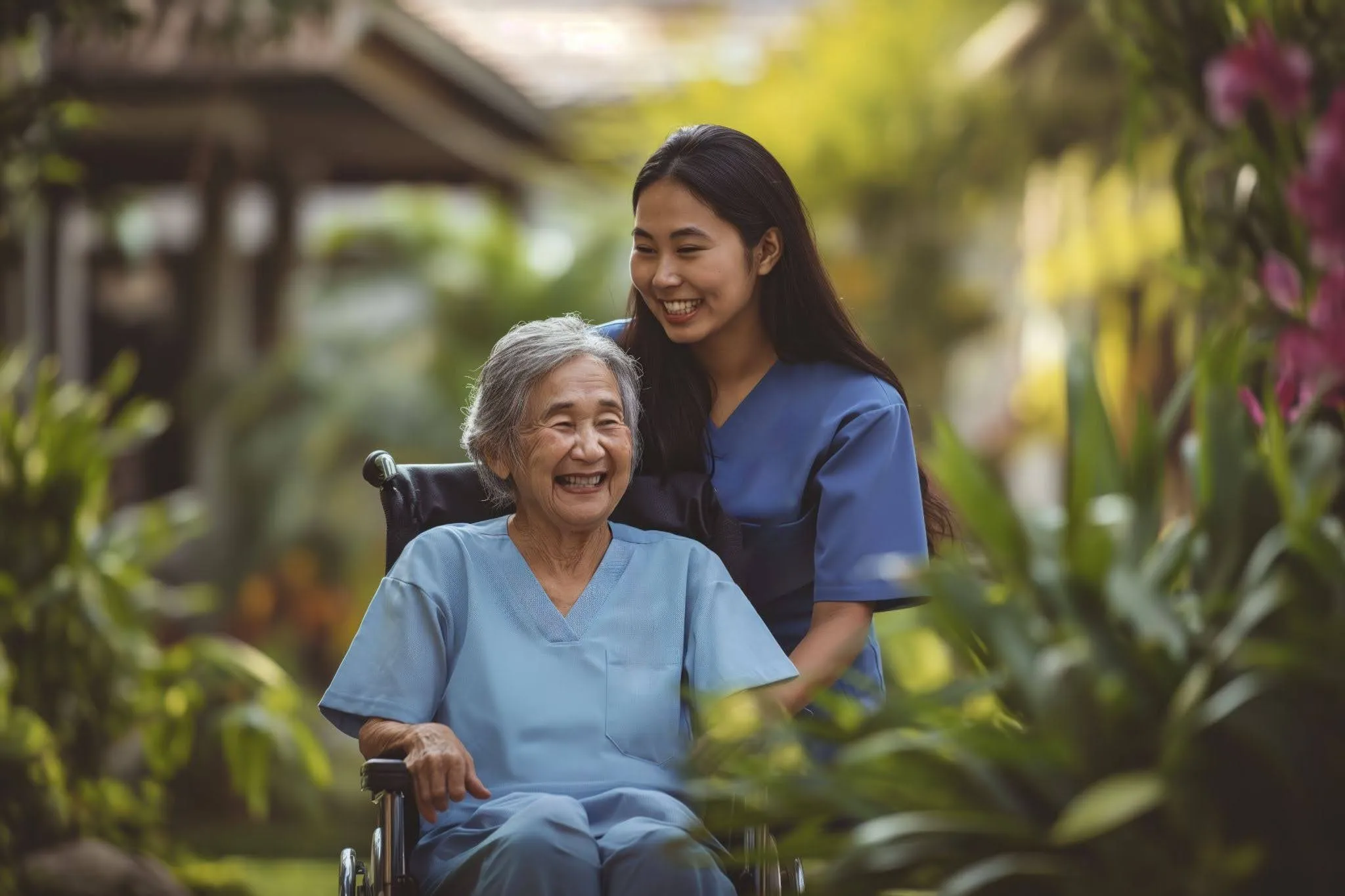
Navigating the world of elderly care can feel like a maze, especially when you want only the best for your ageing parents. Most Singaporeans value family time and want their loved ones to be safe and happy.
As care needs grow, you might find yourself weighing up two main options: hiring help for your home or sending your loved one to a centre. Both have their benefits, and the right choice depends on your parents’ health and your family dynamic.
What is Home Care for the Elderly?
Home care refers to support services delivered in your parents’ home. This often involves engaging home care services for the elderly in Singapore or hiring a live-in domestic helper through a trusted agency like Inter Great.
Unlike a centre, this option focuses on one-on-one attention. A dedicated caregiver can assist with daily tasks such as bathing, eating, and managing medications while your parent remains in a familiar, comfortable setting. This is often the preferred choice for those who need round-the-clock supervision or have mobility issues.
Pros, Cons, and Costs for Home Care for the Elderly
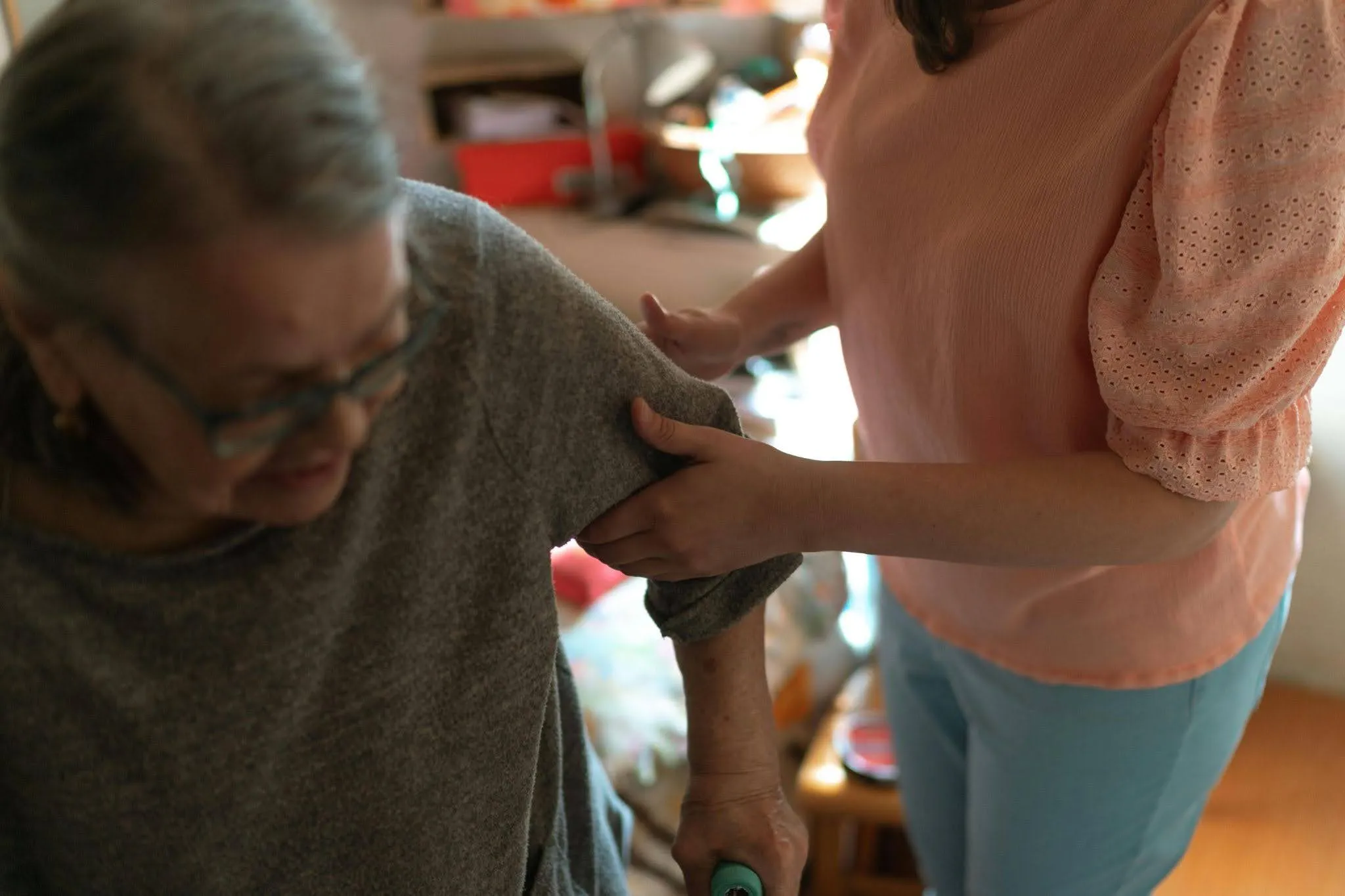
Hiring help for your home is a major step towards a more harmonious household. Whether you engage professional home care services for the elderly in Singapore or hire a live-in domestic helper, this option is about buying back your time while ensuring your loved one is safe.
Pros:
- One-on-One Attention: Your parent receives the full, undivided attention of a dedicated caregiver, which is essential for high care needs.
- Familiar Surroundings: Seniors stay in the comfort of their own home, which helps reduce confusion and maintains their dignity.
- Flexible Schedule: You can set a routine that fits your family’s exact needs, rather than following a centre’s fixed hours.
- Safety and Privacy: Reduces the risk of falls during travel and keeps personal medical matters private within the home.
Cons:
- Limited Social Interaction: Being at home can sometimes lead to social isolation if not managed with regular family visits or outings.
- Management Responsibility: Family members must manage the caregiver’s schedule, well-being, and work performance.
- Home Modifications: You may need to invest in grab bars or ramps to make the home safer for an elderly resident.
Estimated Costs:
- Live-in Domestic Helper: Typically costs between $600 to $850 per month in salary, plus living expenses and monthly MOMvy ($60 if entitled for levy concession).
- Professional Home Personal Care: Starts from approximately $25 per hour before subsidies.
- Total Estimated Monthly Outflow: Families hiring a dedicated helper for elderly care usually expect a total monthly cost of $1,200 to $1,600, including food and utilities.
When to Consider Home Care for the Elderly
It may be time to consider elderly home care services in Singapore if you notice the following:
- Mobility Challenges: If your parent has trouble moving around safely or has a high risk of falling at home.
- Need for Constant Supervision: When a senior requires round-the-clock monitoring that family members cannot provide due to work or other commitments.
- Personal Care Needs: If help is required with daily activities such as bathing, dressing, or meal preparation.
- Recovery After Surgery: When a senior needs short-term medical or physical support after being discharged from a hospital.
- Memory Issues: If a loved one is showing signs of early-stage dementia and feels confused or anxious in new environments, such as a day care centre.
Understanding Day Care for the Elderly
Senior day care centres are community-based facilities designed to provide care and supervision for older adults during the day. These centres offer a structured environment where seniors can participate in social activities and therapeutic exercises and receive basic medical supervision.
This model is often viewed as a form of day care for the elderly at home because it provides necessary daily supervision while allowing the senior to return to the comfort of their own bed in the evening.
Pros, Cons, and Costs for Day Care for the Elderly
Senior day care centres provide structured day care for the elderly at home by offering a safe place for them to go while you are at work. It is an excellent choice for mobile seniors who thrive on being around people.
Pros:
- Active Social Life: Seniors interact with peers through planned group activities, such as arts and crafts, which keep their minds sharp.
- Structured Routine: Centres provide a predictable daily schedule that includes exercise, nutritious meals, and health monitoring.
- Professional Supervision: Trained staff are on hand to manage group safety and basic nursing needs, such as medication reminders.
- Respite for Caregivers: Provides reliable respite care for the elderly during office hours, allowing you to focus on work with peace of mind.
Cons:
- Fixed Hours: Centres usually operate only at certain days/ hours, which may not cover evening or weekend care needs.
- Travel Stress: Daily transport to and from the centre can be tiring for some seniors.
- Not for High Care Needs: May not be suitable for seniors who are bedbound or have complex medical issues requiring one-on-one monitoring.
Estimated Costs:
- General Day Care Fees
- Per Session Rates
- Transport Charges
When to Consider Day Care for the Elderly
It may be time to look into day care options if your family is experiencing specific needs:
- Peer Engagement: If your parent is still mobile and thrives on social interaction, but spends most of their time alone at home.
- Primary Caregiver Fatigue: When family members need respite care for the elderly to manage their own work or personal health while knowing their parent is in a secure environment.
- Desired Mental Stimulation: If a senior requires more cognitive or physical activity than can be provided in a quiet home setting.
- Regular Monitoring Needs: When a senior is generally healthy but requires moderate supervision during standard office hours, while the rest of the family is away.
Understanding the Difference Between Home Care and Day Care

The main difference between home care and day care is the level of individual attention and the environment. While day care offers social perks, home care provides a higher degree of safety and personal care for those with specific medical needs.
| Feature | Home Care (Live-in Helper) | Senior Day Care Centre |
| Attention | One-on-one dedicated care | Group care with shared staff |
| Location | Your parent’s own home | A dedicated care facility |
| Availability | Can be 24/7 | Fixed daily operating hours |
| Suitability | Best for high care needs | Best for social interaction |
| Other | Can help with household chores | Don’t need to allocate extra space for live in helper |
Options for Respite Care for the Elderly
Sometimes, family caregivers simply need a break to recharge. Respite care for the elderly can be found in both models. You can send your loved one to a centre for a few days or engage a short-term home caregiver. This ensures your parents are cared for while you buy yourself and your children some time.
These options are tailored to different care needs, ranging from a few hours to several weeks.
1. Home-Based Respite Care
This is often the most flexible option, where a trained caregiver or nurse visits the senior’s residence.
- Personal Care Support: Trained carers assist with Activities of Daily Living (ADLs) such as showering, housekeeping, and medication reminders.
- Support during Helper Leave: Families often engage these services when a migrant domestic helper is on home leave or sick.
- Post-Hospitalisation Care: Professional help is available to aid recovery at home after hospital discharge.
- Emergency Respite: Some private providers can quickly match families with a caregiver for urgent situations.
2. Centre-Based Respite Care (Senior Care Centres)
Senior Care Centres offer supervised care during standard weekday hours, typically from 7:00 am to 7:00 pm.
- Day Care Services: These centres provide social interaction through handicrafts, games, and exercise to maintain the seniors’ mental and social well-being.
- Maintenance and Dementia Care: Specialised programmes are available for seniors who require supervision due to cognitive impairment, such as dementia.
- Rehabilitation: Physiotherapy and occupational therapy are often provided to help seniors regain independence.
3. Residential (Stay-in) Respite Care
For caregivers who need an extended break or when care needs are high, stay-in options are available at nursing homes or community hospitals.
- Nursing Home Respite: Seniors with high care needs can stay in a subsidised nursing home ward for short durations.
- Moderate to High Nursing Needs: This option is best suited for seniors who rely on caregivers for most daily needs or require constant nursing procedures.
- Private Wards: Some hospitals offer private wards for both short- and long-term stays, ensuring privacy and attentive care.
Conclusion About Day Care and Home Care for the Elderly in Singapore
The right choice between home care and day care comes down to what makes your loved one feel most dignified and secure. By weighing the pros and cons, you can find a solution that restores harmony to your household and ensures your parents are in good hands.
If you are ready to explore hiring a dedicated caregiver, contact Inter Great Employment Pte Ltd (MOM EA Licence No: 14C6931), your trusted partner for domestic helpers and caregivers in Singapore.
(Disclaimer by Inter Great: all above information and/ or monetary figures are meant for reference only, please refer to MOM’s official website for updated and accurate information, or approach consult our recruitment consultant if you need professional advice and consultation.)
Frequently Asked Questions About Day Care and Home Care for the Elderly in Singapore
What Is the Difference Between a Nursing Home And Home Care?
A nursing home is a residential facility providing 24/7 medical supervision in a clinical setting, whereas home care allows the senior to stay in their own residence while receiving personalised assistance from a live-in helper or visiting caregiver.
What Is the Difference Between Caregiver And Elderly Care?
A caregiver is the specific person (professional or family member) providing the support, while elderly care is the broad term for the various services and systems designed to meet the unique needs of seniors.
What Are Four Types Of Caregivers?
Common types include live-in domestic helpers trained in eldercare, professional private nurses for medical needs, family caregivers who provide unpaid support, and respite caregivers who provide temporary relief.
Which Is More Cost-Effective, Assisted Living Or Home Health Care?
In many cases, home health care using a live-in helper can be more cost-effective in Singapore because it combines care with household assistance, whereas assisted living facilities involve high monthly overheads and fixed facility fees.