
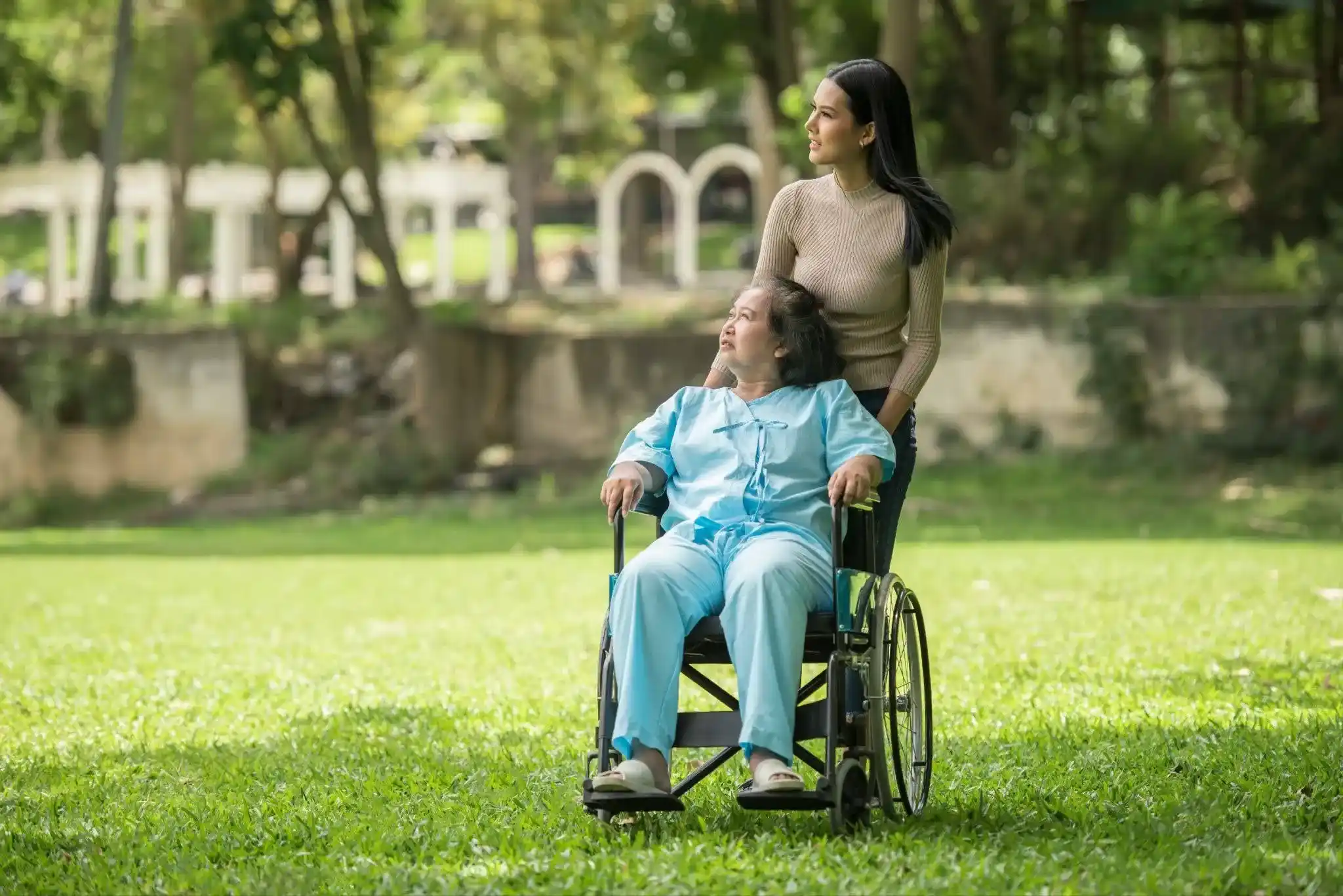
Hiring in-home care for elderly family members is a decision that deserves more than a quick biodata review. The person you bring into your home to care for an ageing parent or a bedridden grandparent will be spending more time with them than most family members do. Getting the interview right is how you find out if she is actually the right fit before the placement begins, not after.
This guide gives you a structured, step-by-step checklist of interview questions for elderly care maids, along with guidance on what to listen for, what to be cautious about, and how to move forward once you’ve found someone you’re comfortable with.
Quick Answer: When hiring in-home care for the elderly, prepare a structured interview that covers the helper’s prior caregiving experience, physical readiness, attitude toward elderly patients, and ability to handle emergencies. Use the checklist of interview questions below to go beyond surface-level answers and get a genuine picture of the candidate you’re considering.
Why Getting The Interview Right Matters More Than You Think
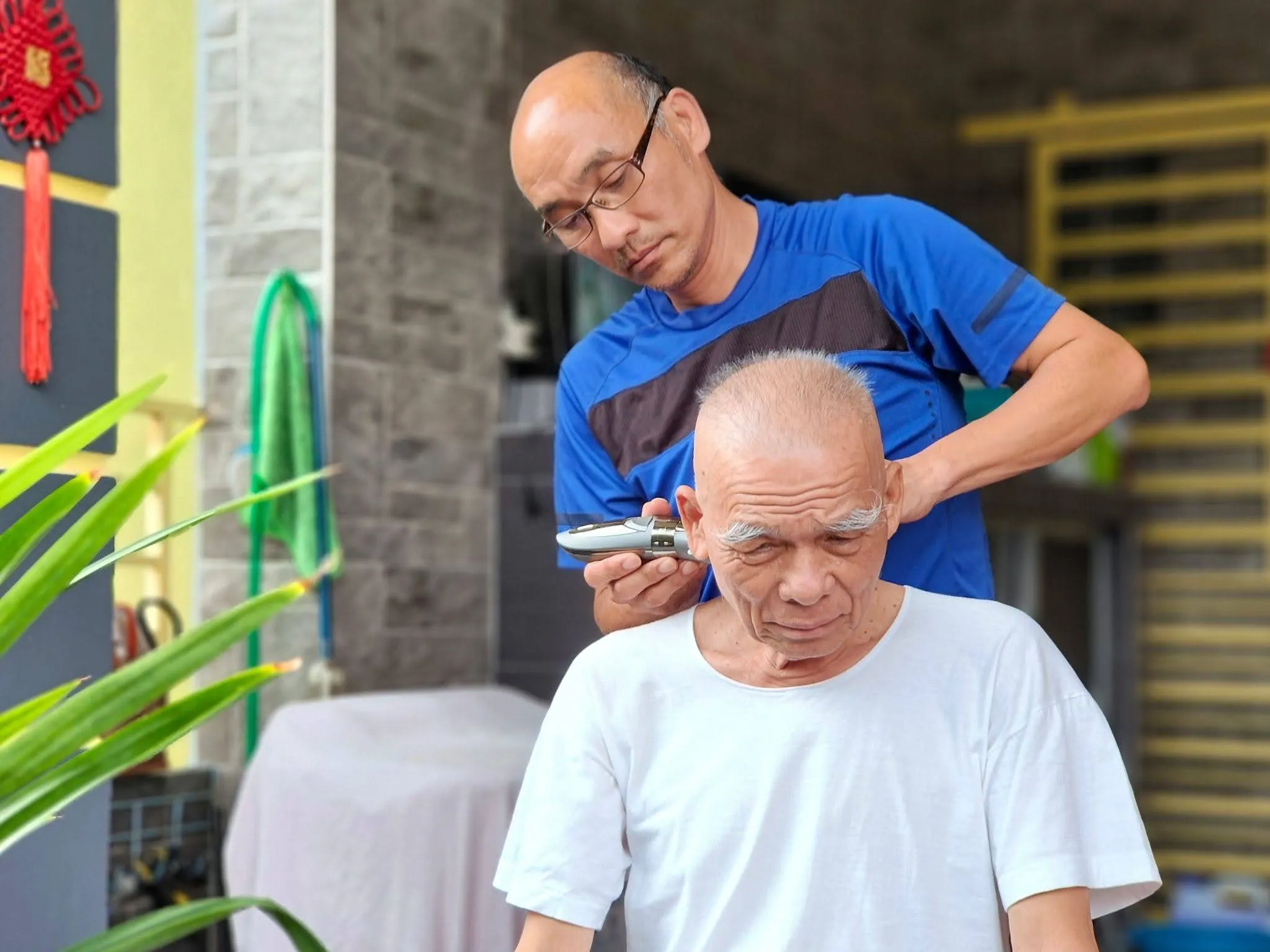
When someone is caring for an elderly person, especially one with mobility limitations, dementia, incontinence, or complex medical needs, the daily reality is very different from standard domestic work.
The helper needs patience; she can sustain day after day, not just show in a 15-minute interview.
She needs to know how to handle situations that can become medical or safety concerns quickly. And she needs to genuinely understand, rather than just tolerate, what the role involves.
A thorough interview is also your chance to set honest expectations on both sides. A helper who knows exactly what she’s stepping into is far more likely to stay and do well.
Before the Interview: What to Prepare
Before you interview a candidate, spend a few minutes getting clear on:
Your elderly family member’s specific needs.
Does the person need help with mobility and transfers? Is there dementia or confusion involved? Are there medical devices like a nebuliser, feeding tube, or catheter? Is incontinence care part of the routine? The more specific you are about what the role actually involves, the more useful the interview will be.
A written list of questions.
Going in without a structure means you’ll likely end up having a pleasant general conversation that tells you very little. Use the checklist below.
The non-negotiables.
Know in advance what experience or qualities you genuinely cannot compromise on. For some families, it’s prior dementia care experience. For others, it’s physical strength for patient transfers. Knowing your non-negotiables before you start prevents post-interview second-guessing.
The practical details.
Be ready to explain the daily routine, working hours, rest day arrangements, and what the living situation looks like.
Interview Questions for Elderly Care Maids: The Complete Checklist
Background and Experience
- “Have you worked with elderly patients before? Tell me about the most recent one.”
Listen for: specific details about the person’s condition, daily care tasks, and how long the placement lasted.
- What health conditions or care needs did the person you looked after have?”
Listen for: honest and detailed responses. A helper who has cared for someone with a stroke, dementia, or bedridden status has a very different skill set from one who helped an independent, mobile elderly person.
- “What was a typical day like in your last elderly care placement?”
Listen for: a structured, realistic account of the daily routine, including hygiene, meals, repositioning (if applicable), medications, and any challenges.
- “Have you ever helped a bedridden patient? What did that involve?”
Listen for: comfort with the physical demands of bedridden care, including bed baths, repositioning, and skin checks. Hesitation or vagueness here is worth noting if bedridden care is a requirement.
- “Do you have any caregiving training, certificates, or first aid qualifications?”
Listen for: formal training from their home country’s labour agencies (for example, TESDA certification for Filipino helpers), any hands-on caregiving courses, or CPR and first aid training.
Physical Readiness and Health
- “Are you comfortable helping someone who cannot walk or needs support to move around?”
Listen for: a confident, matter-of-fact yes, along with any relevant experience. Discomfort or hesitation about physical care tasks is worth addressing directly.
- “Can you assist someone to sit up from a lying position, or help them move from the bed to a chair?”
Listen for: awareness of safe transfer techniques. Ideally, she should know about supporting the patient’s weight correctly without straining either of them.
- “Are you in good health and physically able to be on your feet for most of the day?”
Listen for: an honest answer. This is not about being harsh. It’s about making sure the match is realistic for both sides.
- “Are you comfortable with incontinence care, including changing adult diapers and managing hygiene?”
Listen for: a straightforward, non-flustered response. This is a normal part of elderly care, and a helper who is clearly uncomfortable with it may struggle once the reality of the role sets in.
Attitude Toward Elderly Patients
- “What do you do if the elderly person refuses to eat, take their medication, or cooperate with care?”
Listen for: patience, calm problem-solving, and a non-confrontational approach. Red flags include “I would insist” or responses that suggest frustration with non-cooperation. Elderly patients, especially those with dementia, often resist care, and the helper needs strategies, not just authority.
- “Have you worked with someone who had dementia or confusion? How did you manage that?”
Listen for: genuine experience and specific examples. Caring for someone with dementia requires a completely different kind of patience and a different communication approach. If she has no experience, that’s not automatically disqualifying, but it should factor into your decision.
- “How do you feel about working with someone who gets upset, agitated, or difficult?”
Listen for: emotional steadiness. Elderly patients can have difficult days. The helper should be able to describe a way of de-escalating and staying calm rather than withdrawing or reacting emotionally.
- “What’s the most challenging thing about caring for elderly patients, in your experience?”
Listen for: a thoughtful, honest answer that shows she has genuinely reflected on the work. An answer that’s too positive (“I love everything about it”) can sometimes mean she hasn’t fully thought about what the role involves.
Handling Emergencies and Medical Situations
- “What would you do if you found the elderly person had fallen?”
Listen for: a clear, calm sequence: check for injury without moving her if a fracture is suspected, call for help or dial 995, keep the person calm and warm, notify the family immediately. Any helper caring for a mobility-impaired elderly person should have thought through this scenario.
- “What would you do if the person were unresponsive and not breathing normally?”
Listen for: knowledge of when to call 995 and, ideally, some familiarity with the concept of CPR while waiting for help. A helper who has had formal first aid training is a genuine asset for elderly care placements.
- “Can you follow a medication schedule accurately and keep a simple daily log?”
Listen for: confidence with routine, basic literacy and record-keeping, and an understanding of why this matters. Errors in medication schedules can have serious consequences.
- “Have you used any medical equipment such as a nebuliser, wheelchair, or feeding tube?”
Listen for: familiarity with the specific equipment your family member uses. If they haven’t, check whether they are willing to be trained and how quickly they pick things up.
Red Flags to Watch for During the Interview
A few patterns worth noting:
Vague or rehearsed answers.
A helper who gives textbook-perfect responses but can’t provide specific examples when you ask follow-up questions may be telling you what she thinks you want to hear rather than what’s actually true.
Visible discomfort with incontinence or physical care.
If she hesitates noticeably when asked about tasks that will be part of the daily routine, that discomfort is unlikely to resolve once she is actually in the role.
No curiosity about the patient.
A helper who doesn’t ask a single question about the person she’ll be caring for during the entire interview is either very passive or not fully engaged with the reality of the role.
Impatience when the topic of dementia or behavioural challenges comes up.
This is a warning sign. Caring for someone with dementia or behavioural changes requires more patience, not less, and it doesn’t improve on its own.
A history of very short placements with no clear explanation.
This is worth discussing rather than glossing over. Ask directly why each placement ended.
Evaluating Answers When Selecting the Best Maid for Elderly Care
When selecting the best maid for elderly care, resist the urge to make your decision based on the first impression alone. After the interview:
- Compare her answers against your list of non-negotiables
- Notice whether her responses about past patients were warm and specific, or cold and generic
- Think about how she would actually perform on the hardest days, not just the straightforward ones
- If something didn’t sit right with you but you can’t pinpoint why, that instinct is worth paying attention to
If you have two or three strong candidates, a second, shorter interview focused on a specific scenario (“Walk me through what you would do on a day when my mother refuses to get out of bed”) can reveal a lot.
After the Interview: What Comes Next
Once you’ve found a candidate you’re comfortable with:
- Have a final briefing with the helper about the full scope of the role, the patient’s daily routine, any specific medical needs, and your expectations. Make sure she genuinely understands what she is stepping into.
- Work with a licensed maid agency to handle the work permit application and all related documentation.
Conclusion About In-Home Care for the Elderly
Getting in-home care for the elderly right takes a bit of preparation, but the payoff is enormous. A helper who is genuinely experienced, physically ready, and emotionally suited for elderly care gives your family member better support and gives you real peace of mind.
Use this checklist of interview questions for elderly care maids as your guide, take your time when selecting the right maid for elderly care, and don’t hesitate to ask follow-up questions until you have the answers you actually need.
Inter Great Employment Pte Ltd (MOM EA Licence No: 14C6931) helps families find domestic helpers specifically suited for elderly and caregiving roles. Our consultants pre-screen candidates for care experience, help you prepare for the interview, and handle all the placement paperwork from start to finish.
Contact us today to find out who’s available.
(Disclaimer by Inter Great: All above information and/or monetary figures are meant for reference only. Please refer to MOM’s official website for updated and accurate information, or approach and consult our recruitment consultant if you need professional advice and consultation.)
Frequently Asked Questions About In-Home Care for the Elderly
How Do I Know If a Helper Is Suitable for Elderly Care?
Look for specific, detailed answers based on real past experience rather than vague or overly positive responses. A helper suited for elderly care can describe her previous patients’ conditions, her daily routine, and how she managed difficult moments calmly and clearly.
What Are the Most Important Interview Questions for an Elderly Care Maid?
Ask about her experience with bedridden patients, how she handles dementia or behavioural challenges, what she would do in an emergency such as a fall, and whether she is comfortable with incontinence care. These questions cover the most demanding parts of the role.
How Do I Check If a Helper’s Stated Experience Is Genuine?
Cross-check her stated history against MOM’s employment records, and use follow-up interview questions that require specific examples rather than general statements.
Can Inter Great Help Me Find An Experienced Elderly Care Maid?
Yes. Inter Great Employment regularly places maids for elderly care in Singapore with prior elderly and caregiving experience. Our recruitment consultants match candidates to the specific needs of your household and can advise you on what to look for during the interview process.